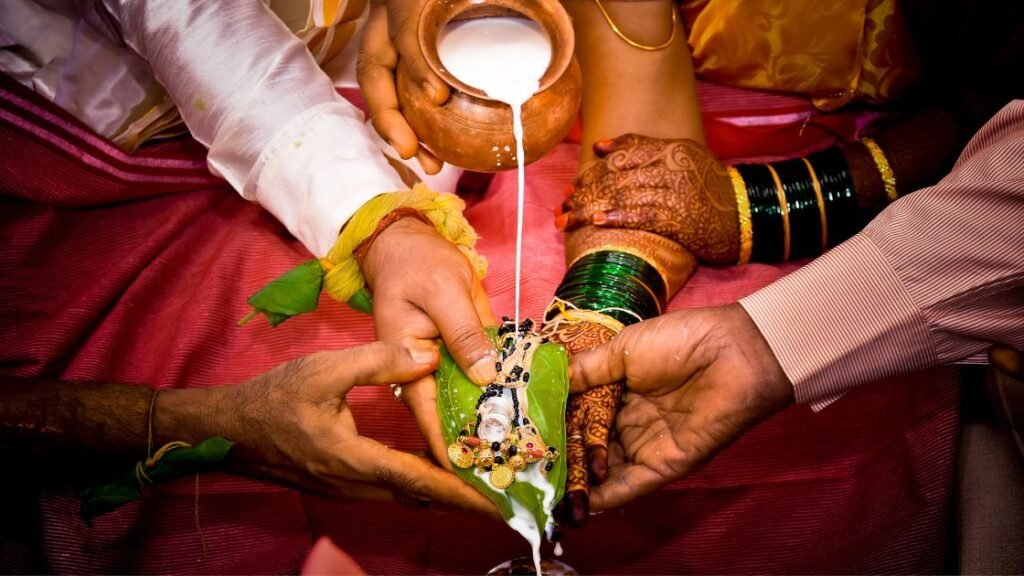
Indian weddings are renowned for their grandeur, vibrant colors, and deeply rooted traditions. Spanning multiple days and involving a plethora of rituals, they are not just a union of two individuals but a confluence of families, cultures, and often, communities. Each ceremony carries its own symbolic meaning, reflecting the rich cultural heritage of the subcontinent. In this blog, we’ll explore the fascinating customs and traditions that make Indian weddings so unique and memorable.
The Beauty of Indian Wedding Traditions
Every Indian wedding is a storytelling masterpiece. From pre-wedding ceremonies to post-wedding festivities, each moment is steeped in rituals that symbolize love, prosperity, and togetherness. Whether it’s the Mehendi on the bride’s hands or the sacred vows during the pheras, Indian weddings are a harmonious blend of spirituality and celebration.
Pre-Wedding Rituals
1. Roka or Sagai (Engagement Ceremony)
This marks the beginning of the wedding journey. Families exchange gifts and blessings, signifying mutual acceptance. Rings are often exchanged in modern adaptations.
2. Haldi Ceremony
A paste of turmeric, sandalwood, and other herbs is applied to the bride and groom’s skin. It’s believed to purify them and bring a radiant glow on their big day.
3. Mehendi Ceremony
Intricate henna designs are drawn on the bride’s hands and feet. The darker the henna stain, the stronger the love between the couple, according to tradition.
4. Sangeet Night
A night dedicated to music and dance, the sangeet is a joyous celebration where both families come together for an evening of fun and bonding.
Wedding Day Ceremonies
1. Baraat (Groom’s Procession)
The groom’s arrival is a grand affair with music, dancing, and often a decorated horse or vehicle. It symbolizes the groom’s journey to the bride’s home.
2. Kanyadaan
In this poignant ritual, the bride’s father places her hand in the groom’s, entrusting her future to him. It signifies the transfer of responsibility and blessings.
3. Pheras (Sacred Vows)
The couple circles the sacred fire seven times, each round signifying a promise such as loyalty, respect, and shared responsibilities.
4. Mangalsutra and Sindoor
The groom ties a mangalsutra (sacred necklace) around the bride’s neck and applies sindoor (vermilion) to her hair parting, symbolizing their union.
Post-Wedding Rituals
1. Vidaai (Farewell Ceremony)
An emotional moment, the bride bids farewell to her family to start a new chapter with her husband. It’s a bittersweet mix of joy and sorrow.
2. Griha Pravesh
Upon arriving at the groom’s home, the bride is welcomed with traditional rituals, marking her entry into her new family.
3. Reception
The reception is a grand celebration where the newlyweds meet and greet extended family and friends, often accompanied by feasting and entertainment.
Regional Variations in Indian Weddings
1. North Indian Weddings
Known for their opulence, North Indian weddings often feature elaborate baraats, Punjabi dhol music, and lavish buffets.
2. South Indian Weddings
With a focus on simplicity and tradition, South Indian weddings often take place in temples or decorated mandaps, accompanied by classical music and traditional attire.
3. Bengali Weddings
These weddings are marked by unique rituals like the bride covering her face with betel leaves during the sindoor daan.
4. Gujarati Weddings
The Garba dance and traditional rituals like Hasta Milap make Gujarati weddings lively and culturally rich.
5. Maharashtrian Weddings
Simple yet meaningful, Maharashtrian weddings often feature rituals like Sakhar Puda and Lagnachi Patrika.
Modern Influences on Traditional Weddings
While traditional rituals remain integral, modern weddings in India are seeing changes:
- Destination Weddings: From Udaipur palaces to Goa beaches, the choice of venues has expanded.
- Fusion Ceremonies: Interfaith and intercultural marriages often blend rituals from both traditions.
- Sustainable Practices: Eco-friendly weddings with minimal waste and locally sourced decor are gaining popularity.
- Technology Integration: Livestreams, digital invites, and wedding apps are common additions.
Significance of Indian Wedding Symbols
Indian weddings are rich in symbolism:
- Mandap: Represents the universe and the sacred space for the wedding rituals.
- Sacred Fire: Agni, the fire deity, witnesses the couple’s vows.
- Henna: Symbolizes beauty and auspiciousness.
- Kalash (Sacred Pot): Denotes prosperity and abundance.
Tips for Attending an Indian Wedding
- Dress Appropriately: Vibrant ethnic wear is ideal. Avoid white and black as they are considered inauspicious.
- Respect Rituals: Observe and follow cultural customs.
- Be Punctual: Indian weddings often follow auspicious timings.
- Enjoy the Feast: Indian wedding menus are a culinary delight—savor the diverse flavors.
- Participate in Festivities: Join the dances, rituals, and celebrations wholeheartedly.
Conclusion
Indian weddings are a magnificent blend of love, culture, and tradition. Every ritual and symbol holds a profound meaning, making the celebration not just an event but an unforgettable experience. Whether you’re planning your own Indian wedding or attending one, understanding these customs adds depth to the joyous occasion.
At Milestone Memories, we specialize in curating weddings that honor traditions while embracing modernity. Let us help you create a celebration that reflects your unique love story. Ready to begin? Contact us today!